
Avocados and Cholesterol: The Basics
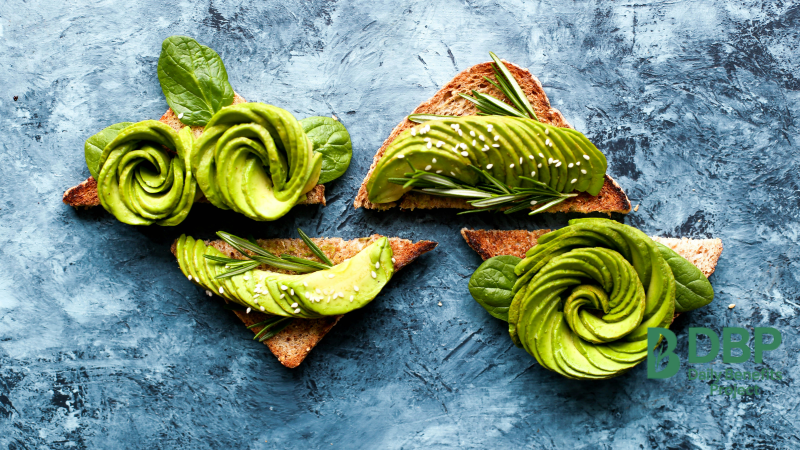
Let’s be real—avocados have earned their place as a trendy “superfood,” but do they actually help with cholesterol? You might be surprised to learn there’s more to the story than just internet hype.
Personally, I used to think avocados were just fancy guacamole ingredients. But as I dug into the research, I found some genuinely interesting facts.
What Makes Avocados Special?
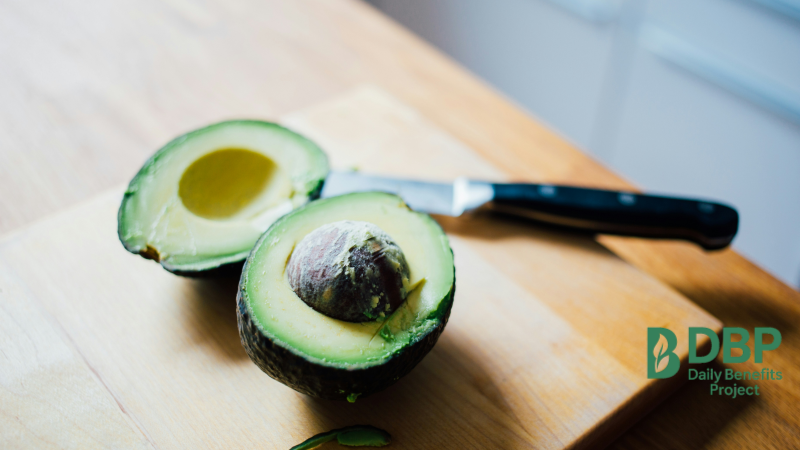
One thing that stands out is their monounsaturated fats. Unlike saturated fats in processed snacks, these “good fats” have been shown to lower LDL cholesterol (the so-called “bad” kind).
🥑 About 15 grams of monounsaturated fat per avocado
🥑 Rich in fibre, which also helps heart health
🥑Contains beta-sitosterol, a plant compound linked to cholesterol reduction
That’s quite a line-up for such a humble fruit, don’t you think?
How Do They Affect Cholesterol?
Some studies have found that adding avocados to your diet can improve your cholesterol profile over time. For example, people who swapped saturated fats (like butter) for avocados saw a drop in LDL cholesterol.
Of course, it’s not magic. If you’re still eating loads of fried foods, an avocado here and there won’t fix everything. But as part of a balanced diet, it’s pretty powerful.
Is It Safe to Eat Them Daily?
This is a common question, especially here in the UK. You’ll hear conflicting advice—some folks worry about the calories, while others focus on the healthy fats.
Here’s the reality: moderation matters. Half an avocado per day is a sensible amount. It gives you all the benefits without going overboard on calories.
Personally, I love having avocado toast in the morning—it feels indulgent, but it’s actually heart-friendly.
Tips for Enjoying Avocados

🥑 Choose ripe avocados that yield slightly to pressure.
🥑 Add a sprinkle of sea salt and a drizzle of olive oil for extra flavour.
🥑 Use them instead of mayonnaise in sandwiches.
Simple swaps like this can make a real difference over time.
Final Thoughts
So, can avocados help improve your cholesterol? The answer is a solid yes—if you use them wisely. They’re not a miracle cure, but they’re certainly better than processed fats.
Next time you’re at the shop, maybe pop a couple in your basket. Your heart might thank you later.