

Why Your Diet Plays a Huge Role in Sleep
Most people think of blackout curtains, white-noise machines, or cozy mattresses when trying to improve sleep.
But the truth is, what you put on your plate matters just as much.
Nutrition directly impacts the production of melatonin and serotonin, the two key hormones involved in regulating your sleep-wake cycle.
A poor diet can lead to restless nights, while the right foods can make it easier to fall asleep and stay asleep.
According to the CDC, about 1 in 3 American adults don’t get enough sleep.
That’s not just about feeling groggy—it’s linked to higher risks of obesity, heart disease, depression, and reduced immune function.
While pills and supplements may help in the short term, making small adjustments to your diet is a natural, long-term solution.
So let’s dive into five powerful foods that help you sleep better every night and how you can include them in your daily routine.

1. Tart Cherries – Melatonin in a Glass
Tart cherries are among the few natural foods that contain melatonin, the hormone that signals to your brain that it’s time to sleep.
A study published in the Journal of Medicinal Food found that adults who drank tart cherry juice twice a day slept an average of 84 minutes longer per night.
That’s a significant boost without taking any sleep aid.
Tart cherries also contain antioxidants like anthocyanins, which reduce inflammation and further promote restorative rest.
You don’t need a lot—just a small glass of unsweetened tart cherry juice an hour before bed may be enough.
How to enjoy:
Drink a 4–6 oz glass of tart cherry juice at night.
Add frozen tart cherries to a smoothie with Greek yogurt.
Snack on dried tart cherries with almonds for a double sleep-friendly combo.
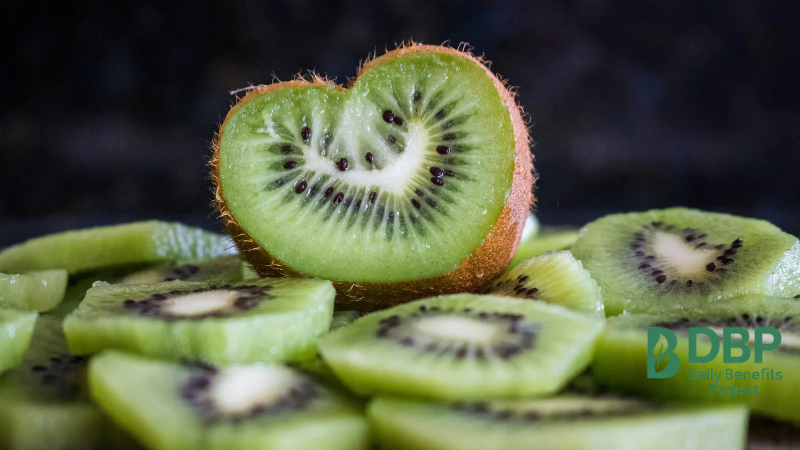
2. Kiwi – The Unexpected Sleep Hero
Kiwis may look small, but they pack an impressive sleep punch.
They’re rich in vitamin C, serotonin precursors, and antioxidants that help regulate sleep duration.
A study in Asia Pacific Journal of Clinical Nutrition found that participants who ate two kiwis one hour before bedtime fell asleep 35% faster and experienced 13% longer sleep compared to those who didn’t.
The serotonin in kiwi helps calm the nervous system, while its high antioxidant levels protect cells from oxidative stress, which often disrupts sleep.
How to enjoy:
Eat two peeled kiwis as a bedtime snack.
Add sliced kiwi to oatmeal or overnight oats.
Blend kiwi with banana and almond milk for a calming smoothie.

3. Warm Milk – Comfort Backed by Science
For centuries, people have sworn by warm milk before bed. It’s more than a comforting ritual—science backs it up.
Milk contains tryptophan, an amino acid your body converts into serotonin and melatonin.
The warmth of the milk also helps lower cortisol (stress hormone) levels, signaling to your body that it’s time to rest.
Modern studies suggest that milk proteins can improve sleep quality, especially when combined with other relaxation habits like reading or light stretching.
How to enjoy:
Heat one cup of milk and add a dash of cinnamon.
For extra calm, stir in a teaspoon of honey.
Blend warm milk with turmeric for a golden latte that supports relaxation.
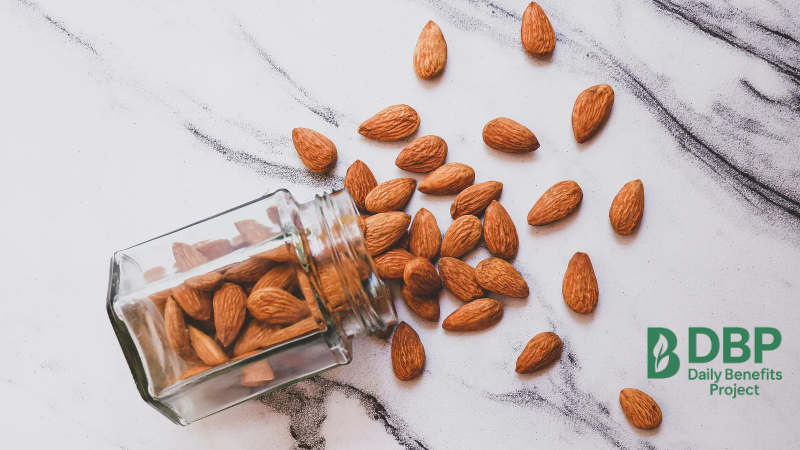
4. Almonds – Magnesium for Muscle Relaxation
Almonds are loaded with magnesium, a mineral essential for relaxing muscles and calming the nervous system.
Magnesium deficiency is often linked to insomnia and restless leg syndrome.
A one-ounce serving of almonds provides about 20% of your daily magnesium needs.
Besides magnesium, almonds provide healthy fats and protein, which prevent blood sugar spikes at night.
Stable blood sugar levels reduce the chance of waking up in the middle of the night hungry or restless.
How to enjoy:
Eat a handful of raw or roasted almonds before bed.
Sprinkle chopped almonds on Greek yogurt.
Blend almonds into a smoothie with banana and spinach.
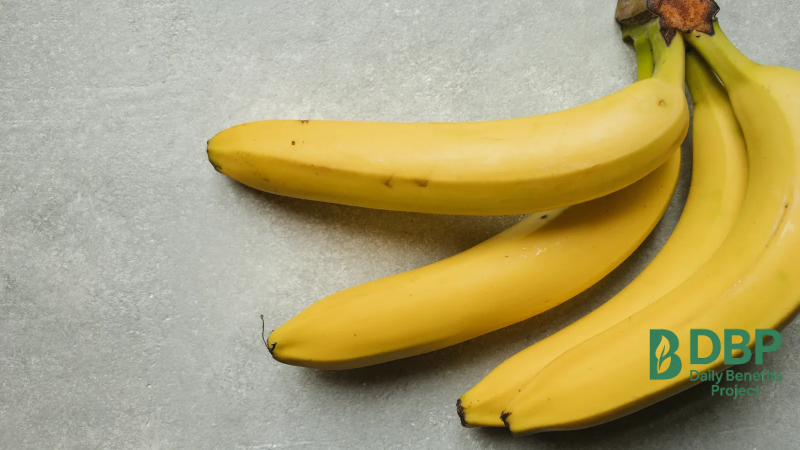
5. Bananas – Nature’s Sleep-Friendly Snack
Bananas are another sleep-friendly powerhouse. They contain potassium and magnesium, both known for relaxing muscles and nerves.
They also contain vitamin B6, which helps the body produce melatonin naturally.
Bananas are sweet, easy to digest, and make a quick bedtime snack that won’t weigh you down.
Some studies suggest that eating a banana at night may even reduce nighttime cramps, making it easier to stay asleep without interruptions.
How to enjoy:
Eat one medium banana 30 minutes before bedtime.
Mash banana on whole-grain toast with almond butter.
Blend banana with warm milk for a creamy sleep smoothie.

🚫 Foods to Avoid Before Bed
Just as some foods promote better sleep, others can ruin it.
If you want to wake up refreshed, avoid these at night:
- Caffeine: coffee, tea, chocolate, and energy drinks keep you alert.
- Alcohol: may make you drowsy but reduces REM sleep quality.
- Spicy or fatty foods: trigger indigestion and acid reflux, making it harder to stay asleep.
By swapping these out for the five foods that help you sleep, you can transform your nightly routine.

Frequently Asked Questions (FAQ)
Q: What foods are best for sleep?
A: Tart cherries, kiwi, milk, almonds, and bananas are among the top science-backed foods that help you sleep naturally.
Q: Do I need to eat these foods daily?
A: Not necessarily. Including them a few times per week can still help improve your sleep quality.
Q: Does warm milk really help with sleep?
A: Yes, milk contains tryptophan and proteins that promote melatonin production, plus the warmth itself has a calming effect.
Q: Can I take melatonin supplements instead?
A: You can, but natural food sources often provide additional nutrients and avoid the risk of dependency.

Final Thoughts
Good sleep isn’t just about comfort—it’s about health. By adding these five foods that help you sleep into your diet—tart cherries, kiwi, milk, almonds, and bananas—you can improve rest, reduce stress, and wake up refreshed.
Pair them with good sleep hygiene habits like reducing screen time and creating a relaxing bedtime routine, and you’ll set yourself up for deeper, more restorative nights.