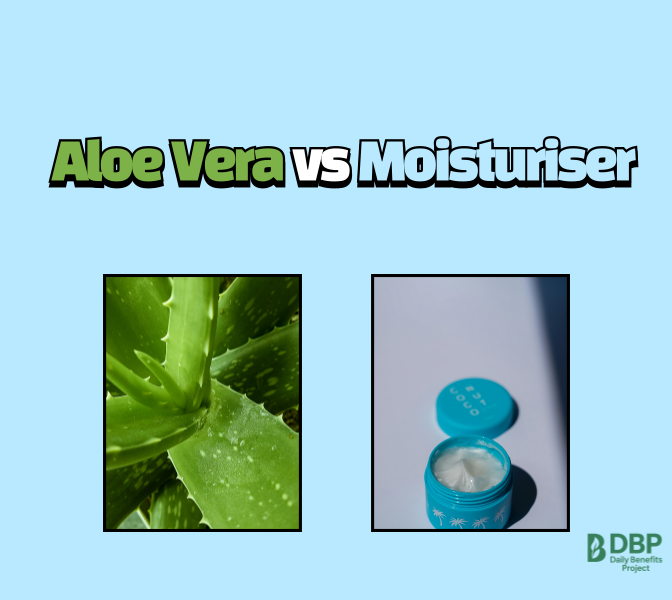
Aloe Vera vs Moisturiser: What’s the Real Deal?
It’s a classic skincare question for Aussies: Should you stick with traditional moisturisers, or go natural with aloe vera gel?
If you’ve spent any time under the Aussie sun (and let’s face it, who hasn’t?), your skin has probably needed some TLC.
Let’s dive into the benefits and limitations of each to find out what works best for your sun-kissed (or sunburnt) skin.
Aloe Vera: Nature’s Cooling Miracle?
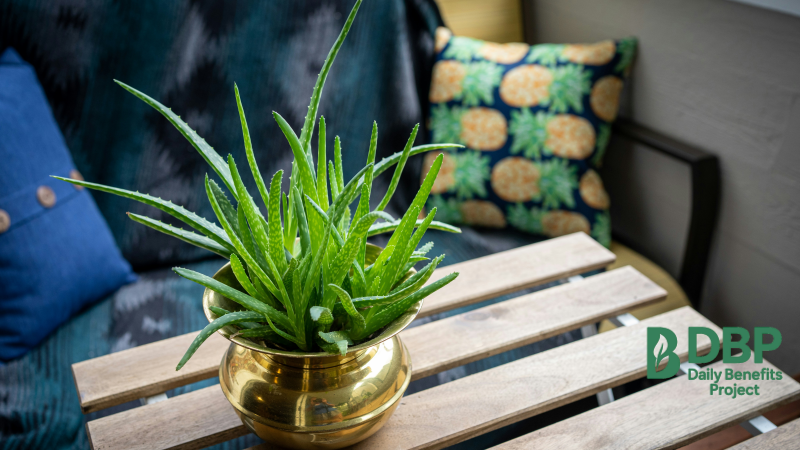
Aloe vera isn’t called nature’s healer for nothing.
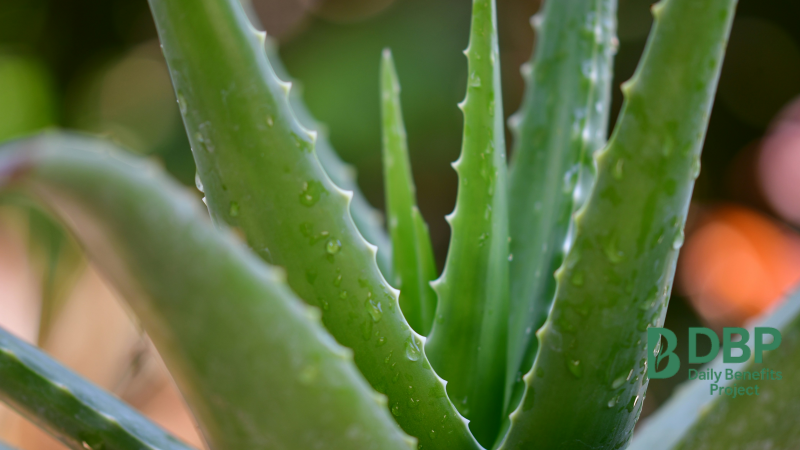
This clear, cool gel harvested straight from the plant leaves offers immediate relief, especially after a long day at the beach or a backyard BBQ gone a bit too sunny.
Here’s why Aussies love aloe:
1.Cooling and soothing: Aloe gel instantly calms irritated skin, especially sunburn.
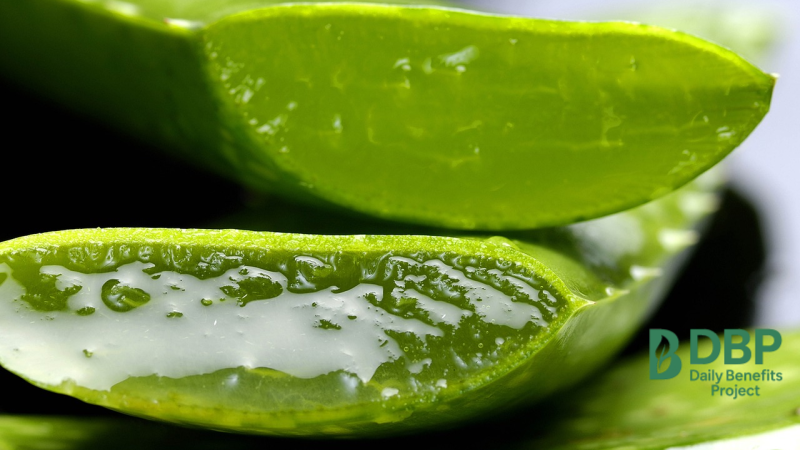
2.Hydrating powerhouse: Contains up to 99% water, effectively hydrating dry or dehydrated skin.
3.Natural healing: Packed with antioxidants and vitamins (A, C, E) that help skin repair itself faster.
But aloe isn’t perfect.
Its water content evaporates quickly, potentially leaving skin dry again without sealing moisture properly.
So, while it’s a lifesaver for immediate relief, it may not replace your daily moisturiser.
Moisturiser: A Daily Essential?
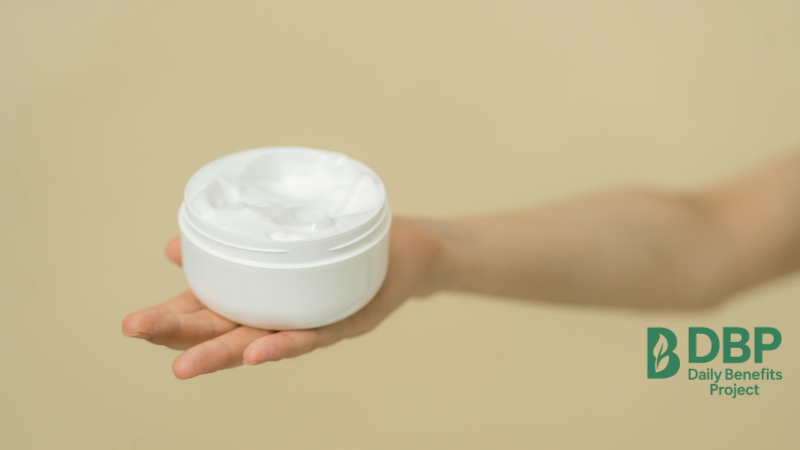
Moisturisers have long been a staple in Australian bathrooms, from Gold Coast surfers to Melbourne office workers.
Unlike aloe vera, traditional moisturisers are specifically designed to create a protective barrier, locking hydration into your skin for hours.
Benefits of moisturisers include:
1.Long-lasting hydration: Ingredients like hyaluronic acid, glycerin, and ceramides seal moisture into the skin.
2.Skin barrier protection: Keeps moisture in and harmful pollutants out, preventing irritation and dryness.
3.Customisation: Available for all skin types—oily, dry, sensitive, or combination.
The downside? Moisturisers can contain artificial fragrances, alcohol, or preservatives that might irritate sensitive skin.
So, picking the right product is crucial.
The Face-Off: Aloe Vera or Moisturiser?

So, which wins the Aussie skincare showdown?
🌱 Immediate relief: Aloe vera wins hands-down for soothing sunburn, redness, and irritation quickly.
🌱 Long-term hydration: Moisturisers are your best mate, especially in Australia’s unpredictable climate—hot one minute, dry the next.
The smartest solution might be using both—aloe for immediate soothing, moisturiser to lock hydration in afterward.
Best Way to Use Aloe Vera and Moisturiser Together
If your skin feels tight or burnt after a day at the beach, try this combo:
1.Cleanse gently with cool water.
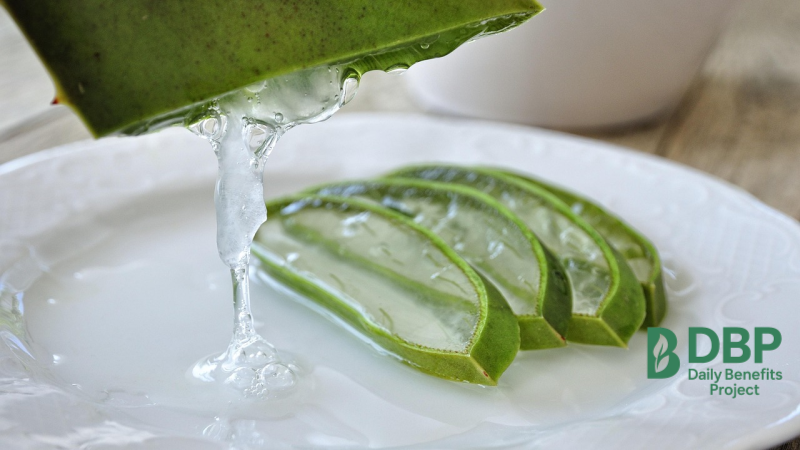
2.Apply pure aloe vera gel to cool and soothe.
3.After a few minutes, layer your favourite moisturiser to seal in hydration.
This combo ensures your skin gets instant relief and stays hydrated longer, exactly what your Aussie skin needs.
When to Be Cautious: Sensitive Skin Alert!
Not all skin reacts well to every ingredient.
Some people find aloe irritating if used in large amounts.
Likewise, heavy moisturisers might trigger breakouts or clogged pores.
If you have sensitive skin, always:
※ Perform a patch test for aloe or moisturiser before regular use.
※ Choose fragrance-free, hypoallergenic moisturisers.
Consult a dermatologist if reactions persist.
Expert Advice: What Australian Dermatologists Recommend
Dr Sarah Wilson, a Sydney-based dermatologist, suggests,
“Both aloe vera and moisturisers have a role in skincare.
Aloe is fantastic for acute issues like sunburn, but for daily hydration and skin barrier support, a good moisturiser is essential.”
In other words, it doesn’t have to be one or the other. Each has its place in your skincare routine.
Final Verdict: Aloe Vera, Moisturiser—or Both?
Let’s summarise:
1.Aloe vera is your quick-fix for irritation, inflammation, or sunburn.
2.Moisturiser is your long-term hydration and barrier protection solution.
For most Australians, having both on hand is ideal.
Aloe is perfect for immediate relief, while moisturiser supports lasting skin health.
So go ahead—grab both, and keep your skin healthy, hydrated, and ready for another beautiful Australian summer.