Starting Fresh: Why Your First Meal Plan Matters
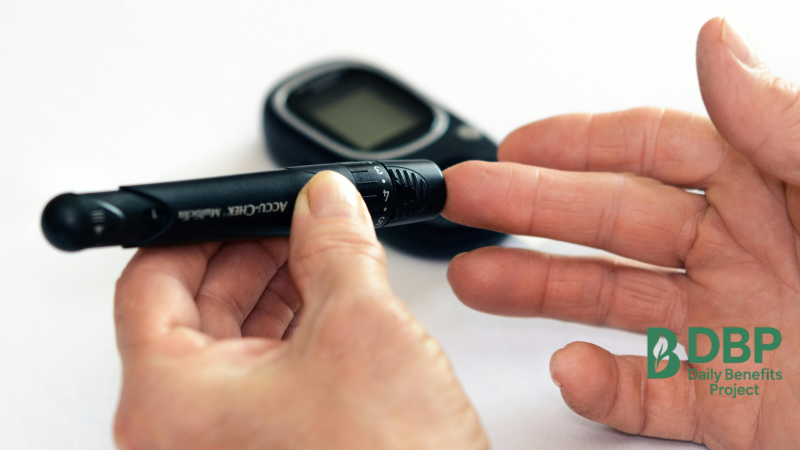
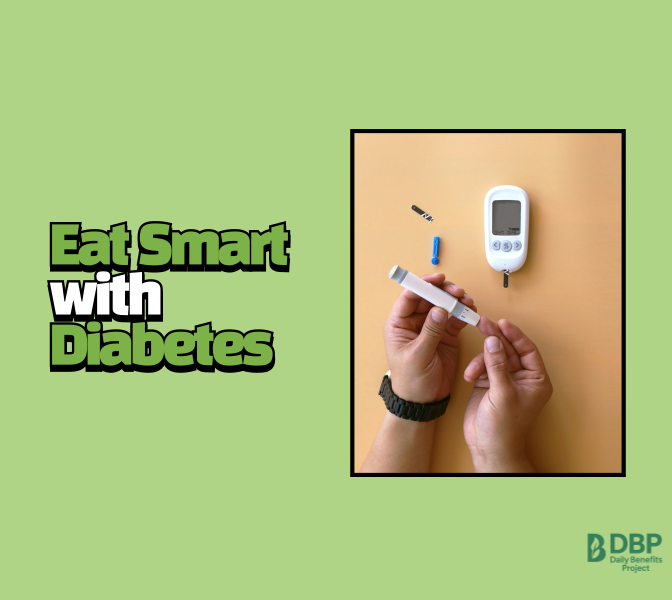
If you’ve just been diagnosed with diabetes, you’re probably feeling overwhelmed.
But here’s the good news: eating well doesn’t have to be complicated.
A well-structured diabetes meal plan is your first powerful step toward managing your health—and it can actually be delicious, too.
What Exactly Is a Diabetes Meal Plan?
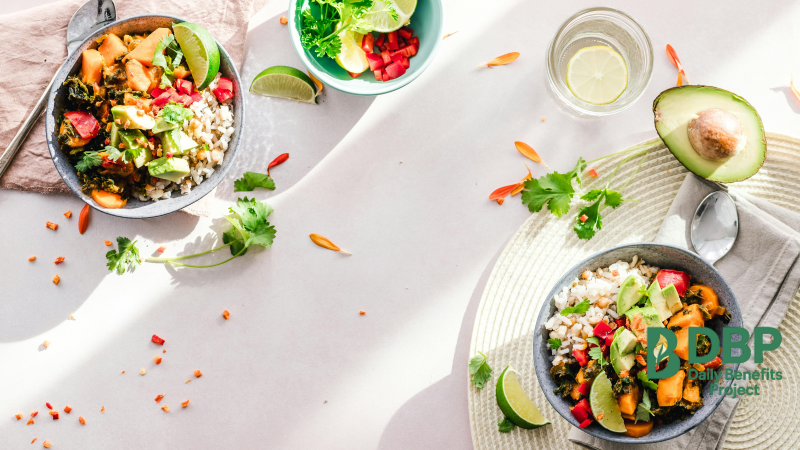
A diabetes meal plan is more than just a list of foods—it’s a thoughtful way of eating that helps you keep your blood sugar levels stable.
That means eating balanced meals at regular times, with the right mix of carbs, fiber, protein, and healthy fats.
Key Foods to Include (and Avoid)
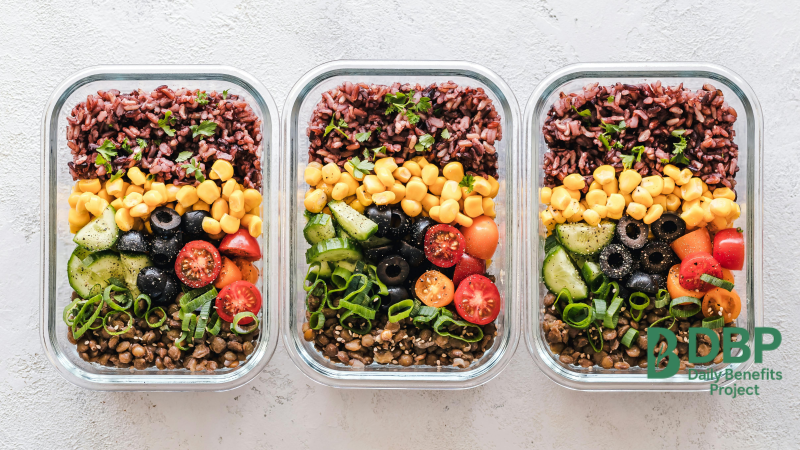
Some of the best foods for a diabetes meal plan include:
🧊Non-starchy vegetables (like broccoli, spinach, cauliflower)
🧊Whole grains (like oats and quinoa)
🧊Lean proteins (like chicken and tofu)
🧊Low-GI fruits (like berries and apples)
Avoid sugary drinks, refined carbs, and overly processed snacks—they can spike your blood sugar fast.
Sample Daily Meal Plan
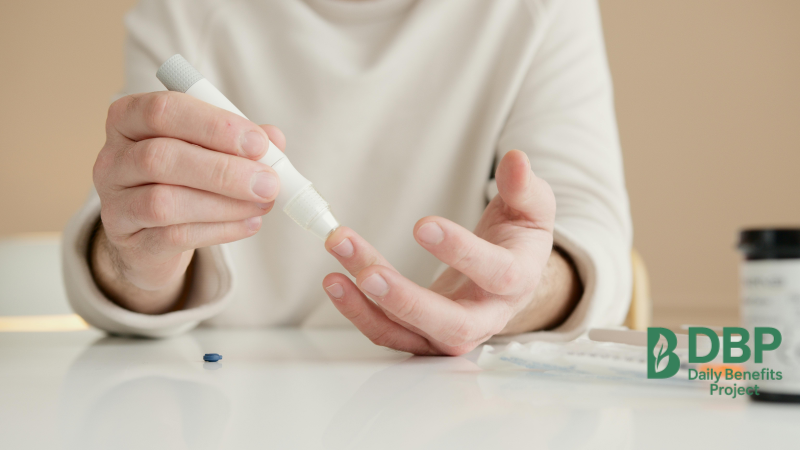
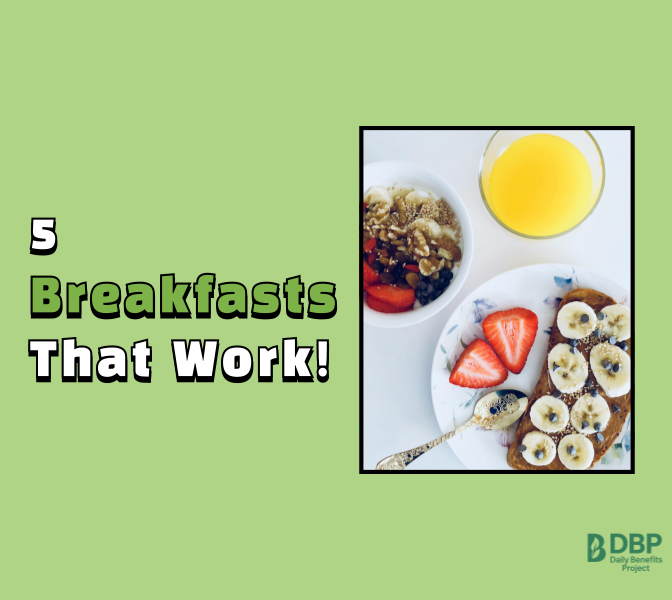
📅Breakfast: Scrambled eggs with spinach and whole grain toast
📅Lunch: Grilled chicken salad with olive oil dressing
📅Snack: Greek yogurt with blueberries
📅Dinner: Baked salmon, steamed broccoli, and quinoa
Balanced. Simple. Sustainable.
What About Juices and Smoothies?
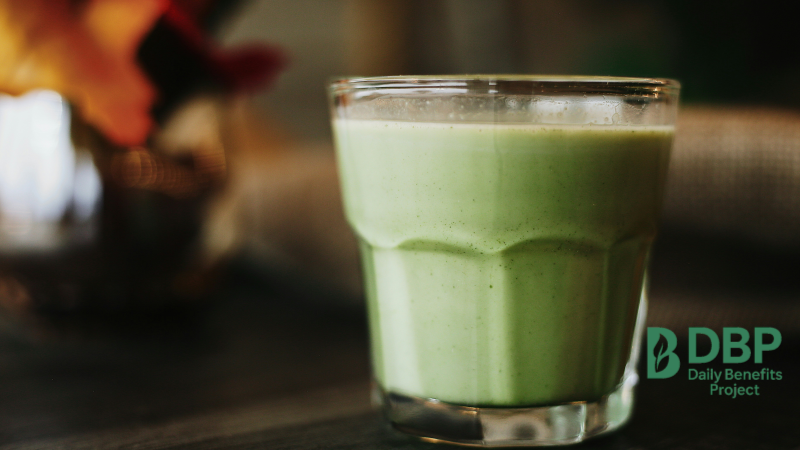
Many beginners assume fruit juices are healthy, but even natural sugars can cause blood sugar spikes.
Stick to whole fruits or green smoothies with veggies and protein powder if needed.
Common Mistakes to Avoid
1.Skipping meals
2.Overloading on carbs, even if they seem healthy
3.Not checking portion sizes
4.Ignoring hidden sugars in sauces or dressings
These can all sabotage your progress.
Final Thoughts: Small Wins, Big Changes

You don’t have to figure this out alone.
A registered dietitian can tailor your meal plan based on your health goals, medications, and lifestyle.
It’s worth the investment.
You don’t need a perfect plan—just a consistent one.
Even small changes, like switching from white rice to quinoa, can have a big impact over time.
Start simple, stay steady, and you’ll see real progress.