

Blueberries and Diabetes: What You Should Know

If you’re living with diabetes, you probably spend a lot of time thinking about which foods help or hurt your blood sugar levels.
Blueberries often come up as a “superfood,” but do they actually fit into a diabetic-friendly diet? Let’s look at what the research and Australian dietitians have to say.
Personally, I’ve always loved blueberries—so when I started learning about their potential benefits for diabetes, I was curious to dig deeper.
Why Blueberries Are Called a Superfood

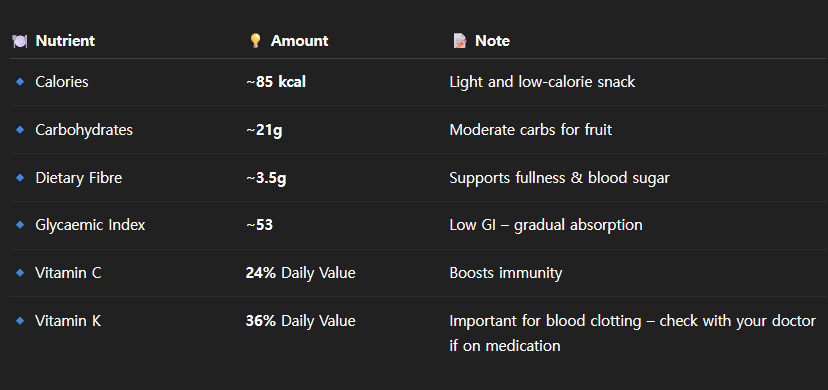
Blueberries are packed with nutrients that make them stand out. They’re low in calories but rich in antioxidants, fibre, and vitamins like C and K.
One of their most important features is their low glycaemic index (GI)—usually around 53, which is considered low to moderate.
Here’s why that matters:
🫐Foods with a low GI cause a slower rise in blood sugar.
🫐The fibre content helps control glucose absorption.
🫐Antioxidants, especially anthocyanins, may improve insulin sensitivity.
For people with type 2 diabetes, these qualities can make blueberries a smart choice—if eaten in moderation.
Scientific Evidence on Blood Sugar Control
Some studies suggest that regular blueberry consumption can help manage blood glucose.
In one Australian study, participants who ate blueberries daily showed improved insulin response compared to those who didn’t.
That doesn’t mean blueberries are a miracle cure. But it does mean they can be a helpful part of a balanced diet, especially when replacing processed snacks.
I find that adding a handful of blueberries to my breakfast helps me feel satisfied and keeps my energy stable through the morning.
Potential Risks and Things to Watch Out For
Even though blueberries have many benefits, it’s still important to watch your portion sizes.
Eating large amounts can still contribute to overall carbohydrate intake.
Here are a few tips:
Stick to about one cup (150 grams) per day.
Fresh or frozen blueberries are best—avoid blueberry syrups or sugary jams.
If you’re unsure, consult your healthcare provider or a dietitian.
People on blood thinners should also be mindful, as blueberries contain vitamin K, which can interact with medication.
How to Include Blueberries in a Diabetes-Friendly Diet

If you’d like to enjoy blueberries without spiking your blood sugar, try pairing them with protein or healthy fats.
This slows digestion and keeps glucose levels steady.
Here are some simple ideas:
🫐 Mix blueberries into Greek yoghurt.
🫐 Add them to a smoothie with unsweetened almond milk.
🫐 Sprinkle over porridge with nuts and seeds.
🫐 Use them in a salad with leafy greens and feta.
Personally, I love freezing fresh blueberries and using them as a cool snack on hot days.
Nutrient Highlights Per 1 Cup (150g)
Final Thoughts

So, are blueberries good for diabetes? The research suggests they can be a valuable part of a healthy diet, as long as you’re mindful of portions.
They’re not a magic bullet, but adding them to your meals could help support blood sugar control and overall wellness.
Next time you shop, consider picking up a punnet of fresh or frozen blueberries. They’re tasty, versatile, and potentially beneficial for your health.