

Blueberries and Heart Health: What You Should Know
If you’re trying to take better care of your heart, you might be wondering which foods can really make a difference. You’ve probably seen blueberries topping lists of “heart-healthy superfoods,” but do they actually help, or is it just marketing hype?
Personally, I used to think blueberries were just a sweet snack, perfect for yoghurt or porridge. But once I started reading the research, I realised there’s a lot more to them.
Antioxidants That Protect Your Heart

One of the most compelling reasons blueberries are recommended for heart health is their high antioxidant content. They’re rich in a group of plant compounds called anthocyanins, which give blueberries their deep blue-purple colour.
🫐 Help reduce oxidative stress in blood vessels
🫐 Support healthy blood pressure
🫐 Improve circulation and artery flexibility
Oxidative stress plays a major role in cardiovascular disease. By neutralising free radicals, antioxidants in blueberries help keep your heart and arteries in better shape.
Blueberries and Cholesterol

Another benefit you might not expect is their impact on cholesterol levels. Research suggests that eating blueberries regularly may help lower LDL cholesterol—the “bad” type that can build up in your arteries over time.
In one UK-based study, participants who consumed about one cup of blueberries daily for six months showed significant improvements in cholesterol profiles and arterial function.
That’s pretty impressive for such a simple habit.
Blood Pressure Support
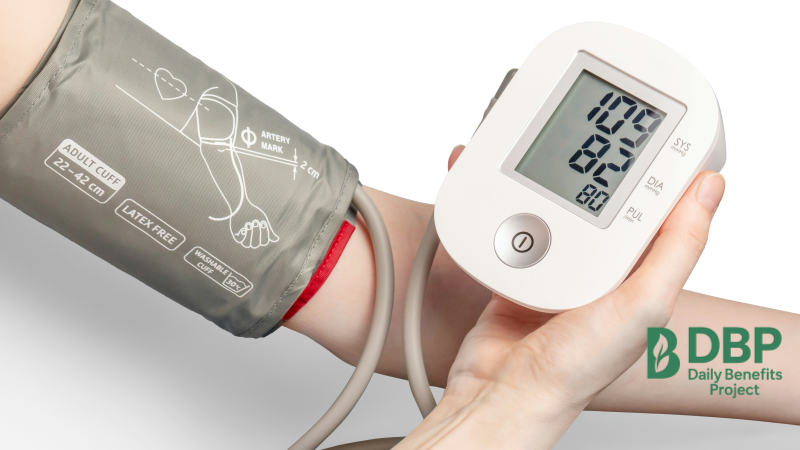
High blood pressure is one of the biggest risk factors for heart disease. Interestingly, several studies have shown that blueberries may help lower systolic and diastolic blood pressure.
A study in The American Journal of Clinical Nutrition found that daily blueberry intake reduced blood pressure as effectively as some common lifestyle changes, like reducing sodium.
Personally, I started adding blueberries to my breakfast just to see if I’d feel any different. While I can’t claim miracles, it feels good knowing that small daily habits can really add up.
How Many Blueberries Should You Eat?
Most nutrition experts suggest around 150 grams (one cup) of fresh blueberries per day to get the benefits without too much natural sugar.
Here’s a quick guide:
🫐Adults: ~1 cup daily
🫐Children: Half a cup is plenty
Frozen blueberries are just as nutritious and often more affordable.
Easy Ways to Enjoy Blueberries Daily

Not sure how to work them into your meals? Here are some ideas:
🫐 Mix them into your morning oats
🫐 Blend into smoothies with spinach and banana
🫐 Sprinkle over wholegrain toast with nut butter
🫐 Toss into salads for a sweet contrast
I love keeping frozen blueberries on hand. They defrost quickly and are perfect for last-minute snacks.
Any Downsides?
Blueberries are generally safe for everyone. Just keep in mind that they contain vitamin K, which can interact with blood-thinning medication. If you’re taking medication, speak to your doctor.
Otherwise, there are few downsides to enjoying this tasty fruit regularly.
So, can blueberries really support heart health? The research says yes. While they’re not a miracle cure, including them in your diet is one of the simplest steps you can take toward a healthier heart.
Next time you’re shopping, pick up a punnet or two. Your body will thank you.