The Importance of Managing High Blood Pressure
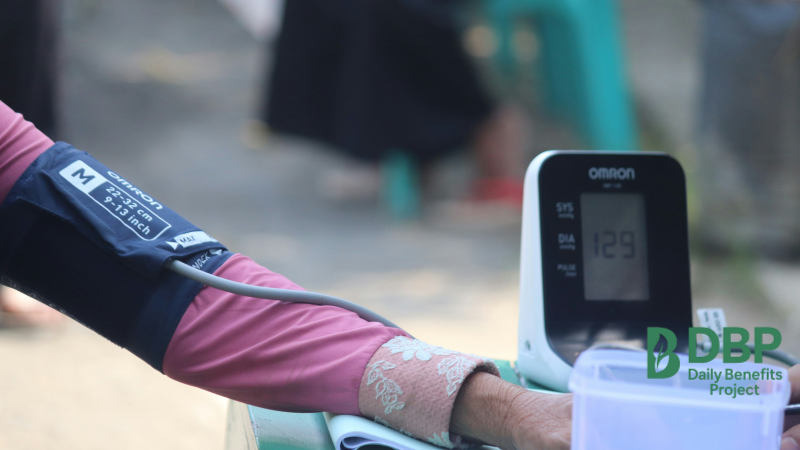
High blood pressure, also known as hypertension, is a prevalent condition that affects millions of people in the United States.
If left unmanaged, it can lead to serious health complications such as heart disease, stroke, and kidney problems.
While medication is essential in managing high blood pressure for some, dietary changes can make a significant difference.
Avoiding certain foods that can raise blood pressure is crucial for controlling hypertension.
In this article, we’ll discuss 5 foods to avoid with high blood pressure and how avoiding these can help manage your condition more effectively.
Processed Foods High in Sodium
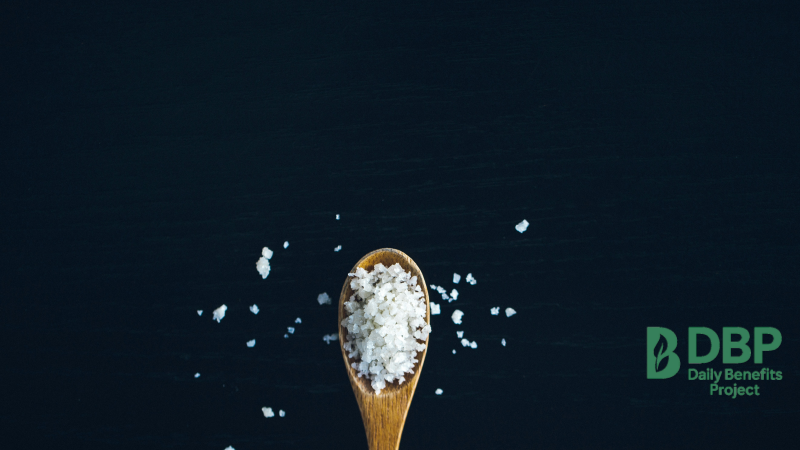
Sodium is one of the leading contributors to high blood pressure.
Many processed foods, including canned soups, frozen dinners, and fast food, are packed with sodium, which can cause the body to retain water and increase blood pressure.
High sodium intake can lead to the constriction of blood vessels, making it harder for blood to flow through your arteries.
To avoid this, choose fresh foods, and always read labels to ensure you are selecting low-sodium options.
Sugary Beverages and Snacks
Consuming too much sugar is harmful to your overall health, and it can also contribute to high blood pressure.
Sugary drinks like sodas, energy drinks, and even fruit juices can lead to weight gain, which is a major risk factor for hypertension.
In addition to weight gain, excessive sugar intake can increase your body’s resistance to insulin, further exacerbating high blood pressure.
Stick to healthier alternatives, such as water, herbal teas, or snacks that are low in sugar, to help manage your blood pressure.
Foods High in Saturated Fats
Saturated fats are unhealthy fats found in foods like red meat, butter, cheese, and fried items.
These fats can raise cholesterol levels, leading to the buildup of plaque in the arteries and narrowing the blood vessels.
This increases the risk of high blood pressure and heart disease.
To protect your heart, limit your intake of saturated fats and opt for healthy fats found in foods like olive oil, avocados, and nuts.
Alcohol
Excessive alcohol consumption can significantly increase blood pressure levels.
While moderate drinking might not have a drastic effect on blood pressure for everyone, heavy drinking can raise your blood pressure substantially.
If you are managing hypertension, it’s important to limit your alcohol intake.
For women, the recommended limit is one drink per day, and for men, it’s two drinks per day.
Consuming alcohol in moderation helps to maintain your blood pressure in a healthy range.
Caffeine
Caffeine is a stimulant that can temporarily raise blood pressure by narrowing the blood vessels.
If you have high blood pressure, it’s important to limit your caffeine intake.
The effects of caffeine on blood pressure can vary from person to person, but it is recommended to monitor how your body reacts and adjust your caffeine consumption accordingly.
Consider replacing caffeinated beverages, such as coffee and energy drinks, with non-caffeinated alternatives like herbal teas.
Small Changes, Big Impact
Managing high blood pressure is not just about taking medications; it’s about making informed choices that promote better health.
By avoiding foods high in sodium, sugar, saturated fats, alcohol, and caffeine, you can take significant steps toward lowering and maintaining your blood pressure.
Alongside regular physical activity and stress management, these dietary changes can help you stay healthy and reduce the risk of more severe health complications.
Small, sustainable changes in your diet can have a powerful impact on your blood pressure and overall well-being.